-

-
-
Black Anger
Black anger and how it is misunderstood, dismissed or an emotion that society has said it is not acceptable for BIPOC to express. If BIPOC do, they are shunned, labeled, excluded and/or physically and fatally harmed. The show episode will explore in the context of what has happened this summer – deaths, protests, COVID and the upcoming election. -
Generational Activism
Protests sparked by the death of George Floyd saw an outpouring of people across the world demanding an end to police-involved shootings and an end to systemic racism---while COVID-19 continues. The protesters willingly took to the streets—and continue to do so—voicing their outrage. But we also saw how activism has evolved, with activists who are multicultural, predominantly younger and users of social media and technology... What does activism look like today and what are the differences and commonalities from movements in the past, and how can people involved move from protesting to effecting real visible change? -
Finding your Faith
Since the first cases of Covid 19 were identified in the US-- just four months ago, people of color have suffered the greatest number of infections and deaths. The global health pandemic, in turn, triggered a devastating economic blow to communities of color. And that grim backdrop was the context for the shocking on camera killing of George Floyd at the hands of Minneapolis police. In the month since Floyd's death, protestors have taken to the streets demanding justice that includes police reform and the dismantling of systemic racism. While many people of color are buoyed by the recent public support, they have also been buffeted by ongoing emotional trauma. Can they find healing and hope? And is there a critical role for religion and faith in this moment? -
Protests, Police and Hope for the Future
George Floyd’s life was snuffed out on the streets of Minneapolis, Armaud Arbery was gunned down on a Georgia road, and Breonna Taylor shot to death in her sleep. Millions have taken to the streets in multiracial worldwide protests declaring that Black Lives Matter. Celebrity athletes, corporations, and ordinary Americans are demanding police reforms and systemic solutions to racism. And then last week--more trauma - Rayshard Brooks died with 2 bullets to the back. Against this bloody backdrop, African Americans gather today to commemorate Juneteenth, the day the last enslaved people on these shores were declared free. But, as we look forward, is there real hope for the future? -
The Killing of George Floyd – A Nation Protests
Over the last few months everyone has been gripped by COVID 19, and now we are faced with a reckoning, ripping at the heart of Black America and the world, about police-involved shootings resulting in the deaths of black people. The disturbing killing of George Floyd sparked outrage, anger and protests. Will the death of George Floyd change how African Americans are treated and open up a serious dialogue about race in this country? -
Businesses - Ready to reopen?
It’s been a little over two months since Massachusetts’ stay at home advisory forced non-essential businesses to close their doors. As we’ve seen, minority businesses not only lost income, but most were shut out of stimulus funding. Governor Baker’s four phase plan for reopening kicked off last week. But will some minority companies never reopen? And how will the ones still standing manage a new costly way of doing business? -
Race as a health imperative
No longer up for debate communities of color have suffered the worst health and economic losses because of the coronavirus. Less understood– how that vulnerability is linked to a history of segregated policies. Cities like Pittsburgh and Milwaukee have offices that regularly evaluate racial inequities– a model Boston is discussing. Could that ensure more equity in accessing aid and resources? And what does that have to do with the crisis happening at this moment? -
COVID-19 and Minority Business Owners Fighting For Economic Survival
The Paycheck Protection Plan or PPP was supposed to be a lifeline for small businesses struggling to survive during the COVID 19 crisis. But 90 percent of small businesses of color were left on the sidelines after the multi-billion-dollar stimulus funding was quickly gobbled up. Now Massachusetts Attorney General Maura Healey is demanding an overhaul of the forgivable loan program. And this week Congresswoman Ayanna Pressley joined Senator Kamala Harris proposing a 124-million-dollar grant program targeted to microbusinesses, and especially small minority businesses. Two local minority business owners joined us in March right after the shelter at home advisory. Tonight, an update on their status, and a question—How can small businesses of color get their fair share in the economic recovery?

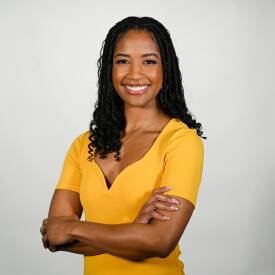
Paris Alston hosts this weekly series that serves up Black intellect, culture and joy. Rooted is based in Boston with a perspective that ranges from communities around the corner to issues and ideas resonating across the globe. This is the place to hear from people who make the news and people who make sense of the news - including you. Tell us what you think and what you’d like to hear on future episodes at Rooted@wgbh.org
Find more content and subscribe to our YouTube channel.