
This is a web edition of GBH Daily, a weekday newsletter bringing you local stories you can trust so you can stay informed without feeling overwhelmed.
☀️ Cool and damp, with light rain showers likely, especially in the morning, becoming mostly cloudy in the afternoon. High of 55. Sunset is at 7:42 p.m.
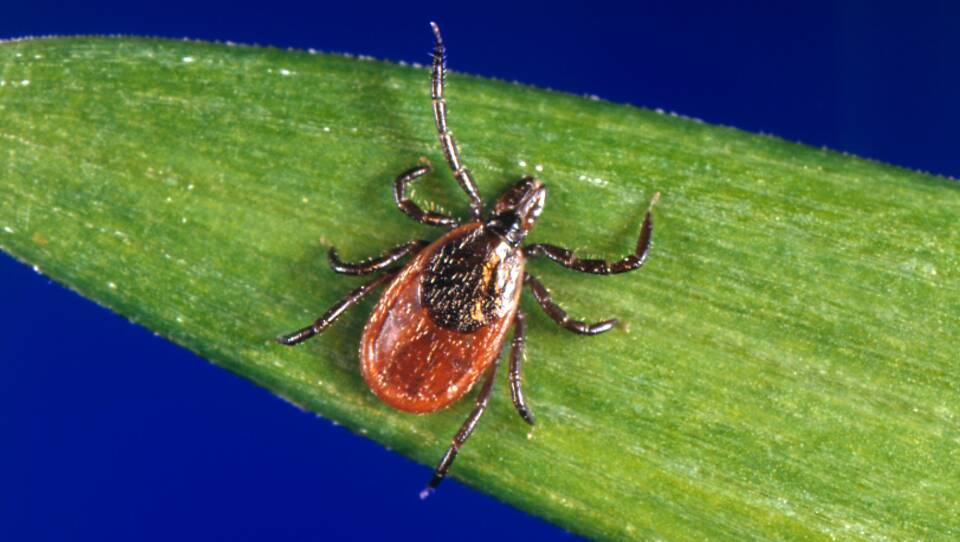
This year’s tick season could be unusually bad. New data from the U.S. Centers for Disease Control and Prevention show that in the Northeast, there have been more emergency room visits for tick bites so far this yearthan during any other year in the past decade — and it’s only April. Our very own Hannah Reale looked into the surge and put together some handy tips to protect yourself. But first, a few headlines.
Four Things to Know
1. Negotiated prices for power from Vineyard Wind went into effect Friday. Until now, the wind farm had been selling electricity at market rate, though it offered lower wholesale prices than other sources of power this winter, according to Gov. Maura Healey. But with all 62 turbines now installed, Healey announced Monday that Vineyard Wind’s contracts with power companies have been activated. The wind farm will sell power to Eversource, National Grid, and Unitil at the contracted prices. The wholesale price for power from Vineyard Wind will average $69.50 per megawatt-hour over the course of the 20-year contract.
2. Boston Mayor Michelle Wu is panning a claim by Republican gubernatorial candidate Mike Minogue that by converting downtown office buildings into housing, Boston is “developing the next slum.” “Look, I will be the first to say that there’s a lot more work to do, and we are nose to the grindstone every day trying to address every single block of sidewalk and every, every single streetlight,” Wu said Tuesday when informed of Minogue’s comments on GBH News’ “Boston Public Radio.” “But it sounds frankly like someone running for governor has not spent time in our neighborhoods if that’s — if he’s afraid to be in downtown Boston.”
3. Baystate Health has announced it is acquiring Mercy Medical Center in Springfield. Baystate operates several hospitals in Western Massachusetts, including its flagship, Baystate Medical Center in Springfield. According to a joint statement announcing the deal, Mercy had been dealing with “financial challenges that threatened its long-term viability.” “Despite substantial efforts to improve its financial position, sustainability remained at risk due to inadequate reimbursement for care, industry-wide shifts such as declining payment rates, changing consumer preferences toward outpatient services and persistent staffing shortages,” the statement said.
4. Most of the writing and research about the medical use of psychedelic drugs has focused on the use of psilocybin mushrooms, LSD, and ayahuasca. But a lesser-known compound, ibogaine, has been gaining attention, aided by an executive order from President Trump pushing federal agencies to accelerate research. Supporters say ibogaine could treat PTSD, addiction, and traumatic brain injury. Dr. Peter Grinspoon, a medical cannabis specialist and instructor in medicine at Harvard Medical School, spoke with GBH’s All Things Considered Arun Rath on the topic.
Local ERs are already seeing lots of visits for tick bites. Here’s what to know.

By Hannah Reale
In addition to a surge in ER visits for tick bites throughout the Northeast, Massachusetts has also seen a sharp increase early this season. Here are some ways to stay safe while still getting out to enjoy the outdoors.
Before you go outside:
- Treat your clothing with the repellent permethrin, or buy pretreated clothes. It should last several washes.
- Wear long pants and long sleeves, and tuck your pants or leggings into your socks.
- Wear bug spray with at least 30% DEET. If you’re also wearing sunscreen, apply the sunscreen first.
- Opt for light-colored clothing so ticks are easier to spot.
While you’re in a tick-heavy area:
- Stay out of tall grass. On a woodsy outing, stick to the center of a hiking trail rather than the edges.
When you get back inside:
- Do a tick check. Ticks like hiding in places such as the backs of the knees, underarms, the back of the neck and the scalp. Use a mirror — or another person — to do a closer check.
- If you want, you can throw your clothes in the dryer for 10 minutes to kill any ticks.
If you find a tick:
- Don’t panic.
- Remove it promptly, and try using fine-tipped tweezers. Wash the area with soap and water.
- Don’t squeeze or try to burn it.
- You can go to urgent care or your primary care doctor if you’re struggling to remove it.
- You can save the tick to show your provider. Kill it using rubbing alcohol. Your provider may be able to identify the tick species and the diseases it could be carrying.
- If you think the tick has been attached for 36 hours or more, contact your primary care provider. You may want preventative treatment — an antibiotic pill to help prevent Lyme disease.
- For the next month, watch for symptoms. Lyme disease can cause a bulls-eye rash that may spread over time. Tell your doctor you had a tick bite and report any fever, chills, headaches or muscle and joint aches.
Dig deeper:
- Measles patient flew into Logan Airport last week
- Annual report gives Massachusetts mixed grades on air pollution
- Despite missing federal funds, Boston lays out plan to meet 5-year climate goals