Announcing the NPR Student Podcast Challenge for 2026 — and a very special prize!
The annual contest for students in grades four through 12 is back for its eighth year — this time with a special prize for a podcast that marks the 250th anniversary of the United States.


-

Punk rock band PUP
Punk rock band PUP released their fifth studio album Who Will Look After the Dogs? back in May. We’re joined by the band’s lead singer Stefan Babcock and guitarist Steve Sladkowski to talk about the new record. They also chatted with us about their live shows and how the mosh pits at their shows and more! -
How to get out of a love-hate relationship with your phone
Finding it hard to concentrate? Are you glued to social media for longer than you’d like? Well, maybe it’s not you… maybe it’s the phones. Brittany is joined by Magdalene Taylor, writer, cultural critic and senior editor at Playboy, and Fio Geiran, producer at TED Radio Hour and a writer of their Body Electric newsletter, to discuss this phrase: “it’s the phones.” They get into the effects that smartphones have on our brains and our culture, why some people are returning to “dumbphones,” and why it might take more than willpower to manage our relationships with our phones. -
AI-generated music is here to stay. Will streaming services like Spotify label it?
Unlike other tech giants, many music-streaming services like Spotify are not currently taking steps to label AI-generated content. But experts say more transparency is key. -
Meet the judge hearing Harvard's lawsuits against the Trump administration
U.S. District Judge Allison Burroughs is presiding over two Harvard cases challenging Trump's moves to cut federal funding from the university and to ban it from enrolling international students. -
Trump administration cuts McGruff the Crime Dog's fentanyl campaign
The National Crime Prevention Council is questioning federal cuts to McGruff the Crime Dog's campaign to sniff out fake pills. The group says McGruff's work that started in 1980 isn't over. -
A word is born -- and critiqued: 'healthocide'
This week a new word made its public debut. With an increase in attacks on health care facilities and personnel, the goal of this coinage is to spark outrage and outcry. But the reaction is mixed. -
Video shows DOJ official urging Jan. 6 rioters to 'kill' cops
The Department of Justice hired a former Jan. 6 defendant who was caught on tape urging rioters to "kill" police. The department calls him a "valued member" of the administration. -
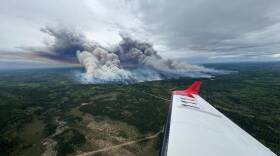
When wildfires make the air smoky, here's how to protect your health
Smoke from Canadian wildfires continues to bring poor air quality into the Northeast U.S. and the Upper Midwest. And the exposure to wildfire smoke remains a growing health problem.